Con: Tikal Smildiger y William Contreras Alfonso en Galería Espacio Continuo, Bogotá
Todas las pinturas y algunos objetos por Tikal.
Otros objetos, burros y soportes por José.
Textos y curaduría por William.
2025
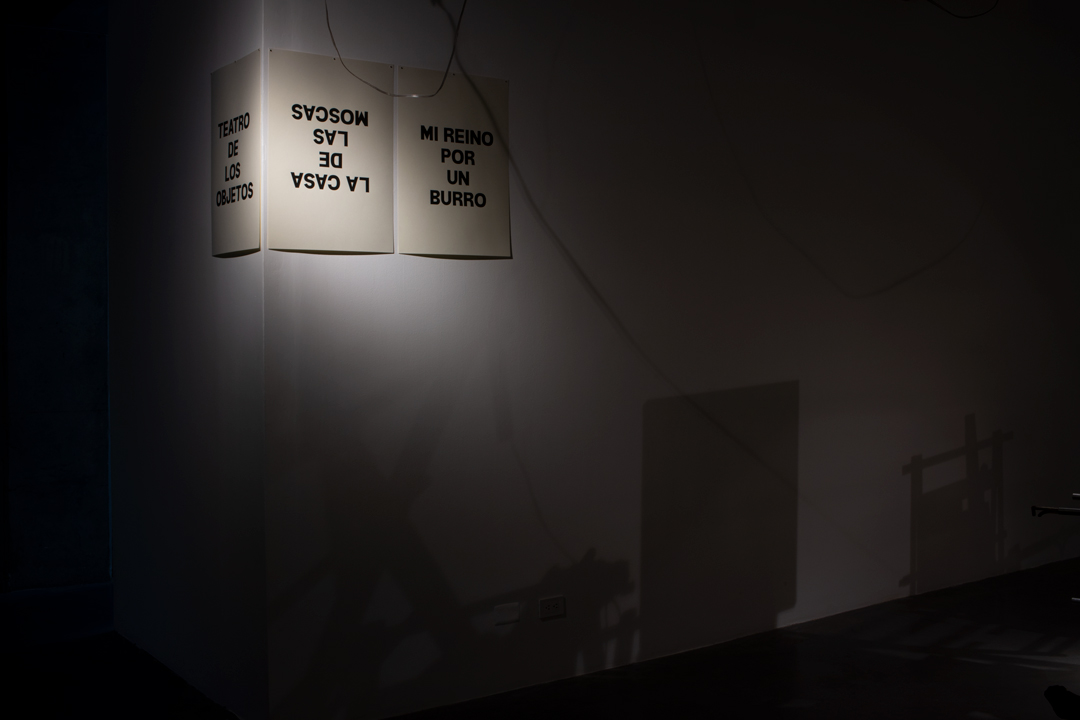
TEATRO DE LOS OBJETOS,
LA CASA DE LAS MOSCAS,
MI REINO POR UN BURRO
La arquitectura del siglo XX entendió que no se puede desligar la conciencia del cuerpo de la percepción del espacio. Huellas invisibles del paso de nuestro uso quedan impresas en el orden de nuestras casas, en la forma en que se colocan los utensilios y la posición en la que disponemos los muebles. En las tiendas de departamentos y en las galerías de arte las cosas suelen ocupar una posición prístina e inmaculada, abstraída de la cotidianidad, pero una vez adquiridas por sus nuevos dueños entran al universo personal del hogar, interactúan alterando su identidad: Pinturas, esculturas, sofás, tapetes y cucharones acercan su naturaleza, forman un equipo que delimita el significado de lo que consideramos propio.
Arquitectos como Robert Moore insistían en entender el diseño y la arquitectura como ejercicios que iban mucho más allá de los meros artefactos. A partir del siglo XX la construcción como concepto artístico desvió su atención a generar una experiencia que altere el comportamiento, el desenvolvimiento del cuerpo gracias a la compañía de objetos y lugares. El eje principal de la belleza en este nuevo diseño sería la modificación de la vida, siendo la idea una propuesta para nuevos rituales que inauguren formas de hacer hasta ahora distantes para la imaginación y el sentido común.
Las habitaciones parecen hechas de paredes, suelos y techos. Sin embargo están hechas de espacio, el cual es un concepto que abriga la posibilidad de uso y de transformación. Espacio como un bien vital, espacio para desarrollarse y expresarse, espacio que se abre para algo nuevo, una mercancía más valiosa que cualquiera de las fronteras que la conforman.
Organizar es hacer propio el mundo circundante, de ahí que el verbo sea cercano a la palabra “organismo” como una conjugación de elementos que operan juntos y crean un todo, un pequeño universo compartido. Organizar es entonces generar una nueva figura de diálogo, por lo cual el bodegón, la exposición de arte, el cuarto de San Alejo, la montaña de ropa sucia en la esquina del cuarto, la lista de las compras, todos son también organismos por los que discurre nuestra cotidianidad, configurando la manera en la que planteamos los usos de nuestro lugar y nuestro tiempo.
Podemos imaginar una organización que no descarte el caos, ese terreno fértil donde germina el futuro y se oculta el asombro ante lo desconocido. Renunciar a la idea de encajar todo en una armonía predefinida, en un espacio fijo y en un estado inalterable de identidad, nos regala la posibilidad de abrir un refugio para el misterio, un punto intermedio entre la persona que somos hoy y la que aún estamos por construir. Aunque resulte paradójico, abrazar el desorden puede allanar el camino hacia una estabilidad sincera, haciendo las paces con lo que nos sobrepasa y aún no se revela a cabalidad.
Puede tenderse un puente de pensamiento simbólico que trasciende la forma física, o dicho más fácil: A las cosas nos las inventamos con la mente. Un ejemplo revelador es el florero de Llorente, a simple vista insignificante, pero emblema histórico por la ideología y las narrativas que se le atribuyeron.
Chivo expiatorio y caballo de Troya.
Perdiendo la batalla y la vida, Ricardo III intentaría cambiar un reino por un caballo. Más allá del poder, buscaba reafirmar que era él quien merecía portar la corona, estatura máxima del hombre y distancia mínima con el dios. Caballos y coronas representan autoridad, aunque traen consigo problemas, insomnios, oscuras profecías y dantescos finales.
Sin embargo, quizá nuestro reino pueda ser otro, quizá nuestros tiestos más preciados puedan servir de cobijo, y las moscas del jardín como nación y compañía.
–William Contreras Alfonso
Exhibition with: Tikal Smildiger and William Contreras Alfonso at Galería Espacio Continuo, Bogotá
All paintings and some objects by Tikal.
Other objects, tables and structures by José.
Texts and curating by William.
2025
OBJECT THEATER,
THE HOUSE OF FLIES,
MY KINGDOM FOR A DONKEY
Twentieth century architecture understood that spatial perception cannot be unbound from bodily experience. The ways in which we organize utensils and the way we decide to set furniture in our house register our presence in the spaces we inhabit and leave certain imprints on them. At department stores and art galleries objects are set in a pristine and immaculate manner, distanced from the quotidian. However, once acquired by someone and taken out of those spaces these things enter the realm of the personal where they interact and morph. Paintings, sofas, carpets and spoons act together and form the limits of what we consider our own.
Architect Robert Moore insisted on understanding design and architecture as exercises that went beyond the mere production of artifacts. Since the twentieth century, construction as an artistic concept has harnessed attention and explored doing as a form of experience that alters behavior through the relationship between body, space and objects. In this scope a main concern refers to the ability to modify life and in doing so create new rituals and forms of making that appeal to imagination and not necessarily common sense.
Space is the main thing rooms are made of, although we seem to fall for an obviousness when referring to them and state that rooms are made up walls, floors and ceilings. Space is a concept, ethereal, that harbors the possibility of transformation. Space is a vital asset for development and expression, limited by solid entities yet porous and ever expandible towards something new. Space is an asset more valuable than any of the limits that conform it.
Organizing things is a way in which we appropriate the worlds we inhabit. The word “organize” is related to the word “organism” and they both refer to elements working together to create a form, a small shared universe. So, organizing is bringing things together to form a new figure. A still life, an exhibition, an attic, a grocery list, a mountain of clothes in the corner of a room or sitting on top of a chair are all organisms that live throughout or lives and configure the ways in which we navigate space and time.
We can imagine a form of organizing that does not discard chaos, that fertile terrain were future blossoms and where the amazement of the unknown is hidden. Giving up on the idea of fitting everything in a form of pre-established harmony, the idea of a fixed space, unalterable to identity, can enable the possibility of harboring mystery, and sheltering the intermediate state between the person we are today and the one we are about to construct. Although it seems paradoxical, embracing disorder can set the path towards sincere stability. A manner to make peace with what is beyond us and lies unraveled.
A bridge of symbolic thought that transcends physical form and transforms it can be set between things and thought, or easier said: Things are built up in the mind. A revealing example in the Colombian context is Llorente’s vase, an object at simple sight unextraordinary, yet transformed into a national emblem by ideology and the narratives attached to it.
Scape goat and horse of Troy
Losing a battle and at the same time his life, Richard the III would call upon trading his kingdom for a horse. A statement of power that tried to reassert that it was he who deserved to carry the crown, the object which gave him the highest stature of man, even higher if he’s sitting on a horse, setting him at the closest distance to God. Gods and horses represent authority and carry with them troubles, insomnia, dark prophecies and dantesque endings. However, perhaps, our kingdom can be another, one where our most valued trinkets can serve as shelter and the flies in our garden as our nationals and company.
–William Contreras Alfonso
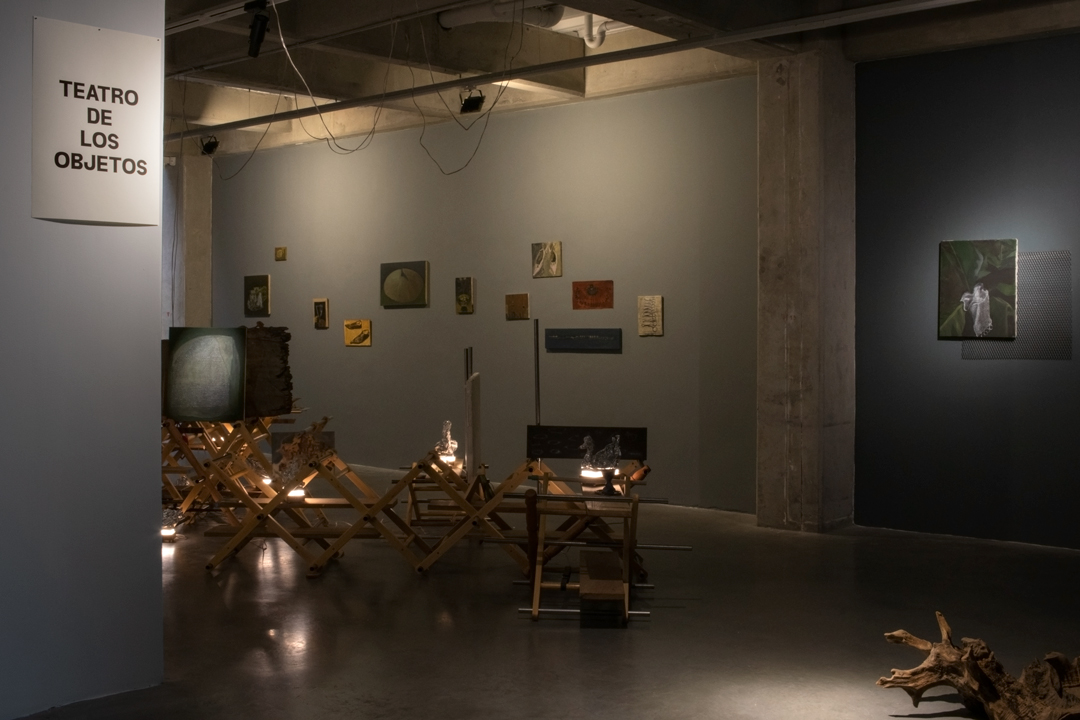
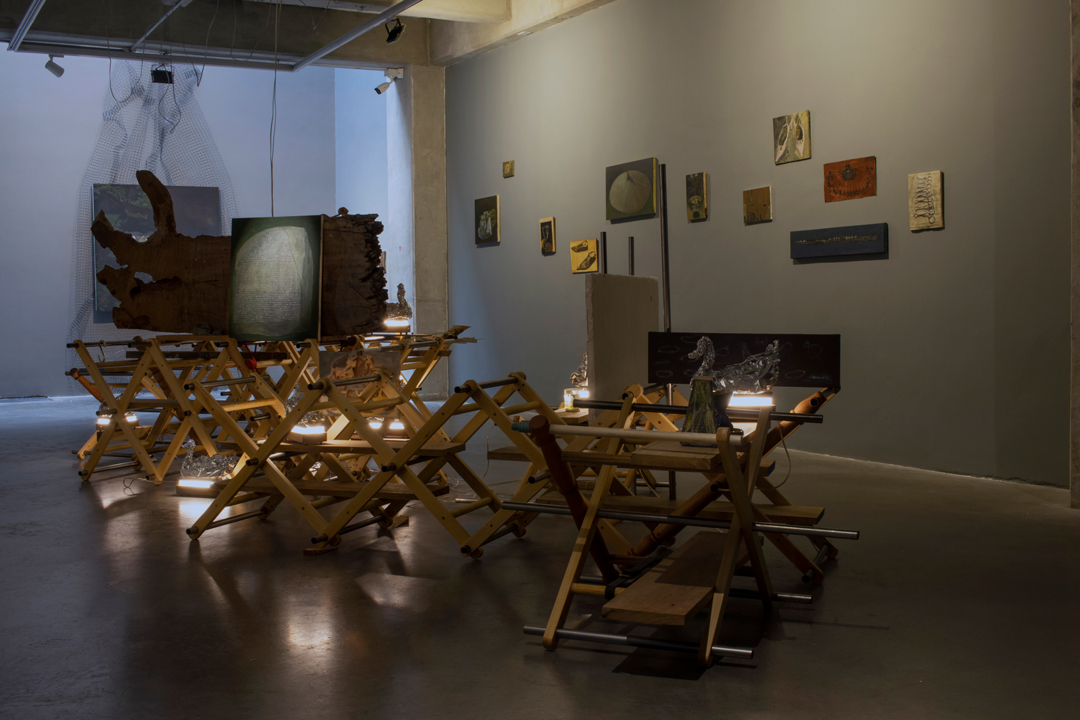
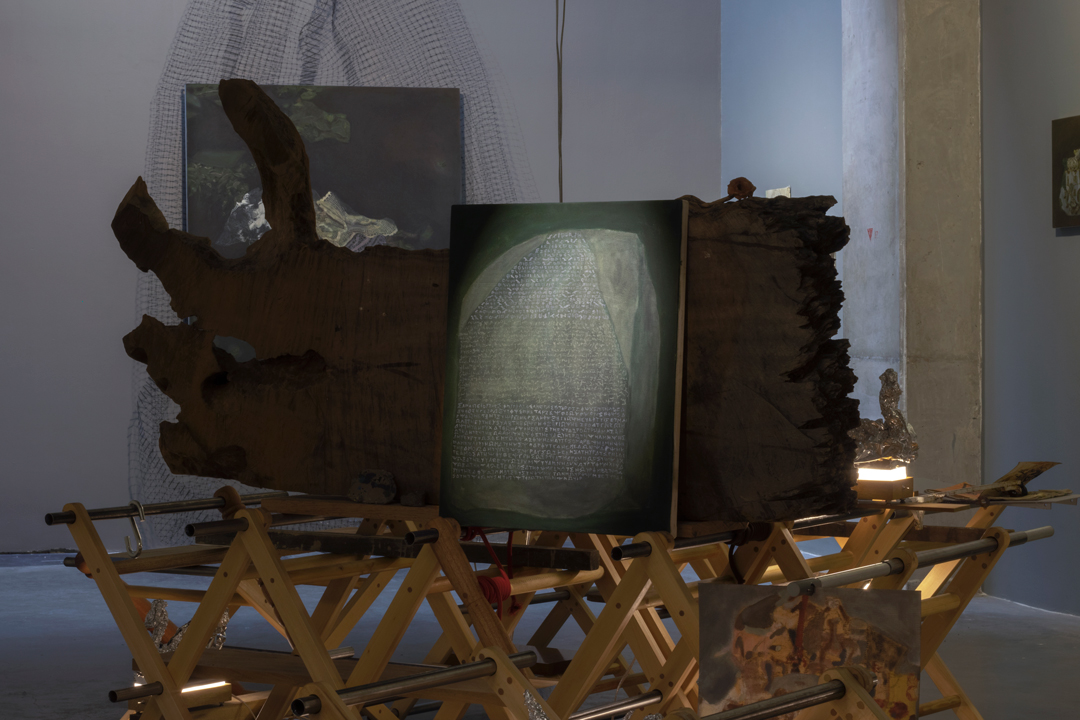
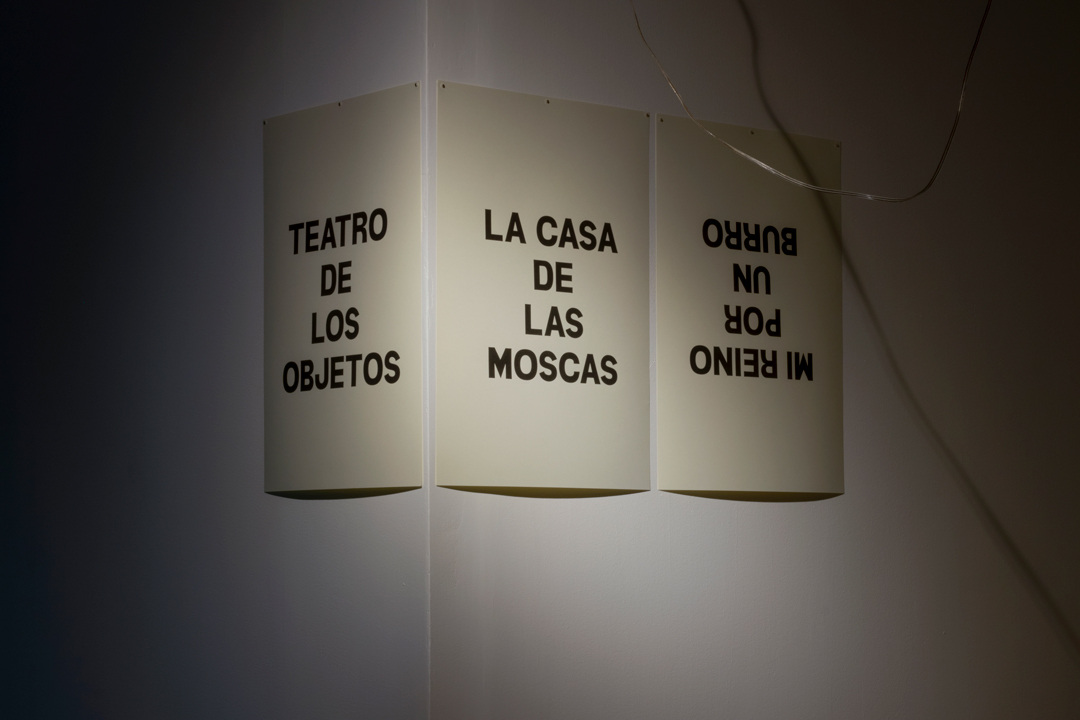
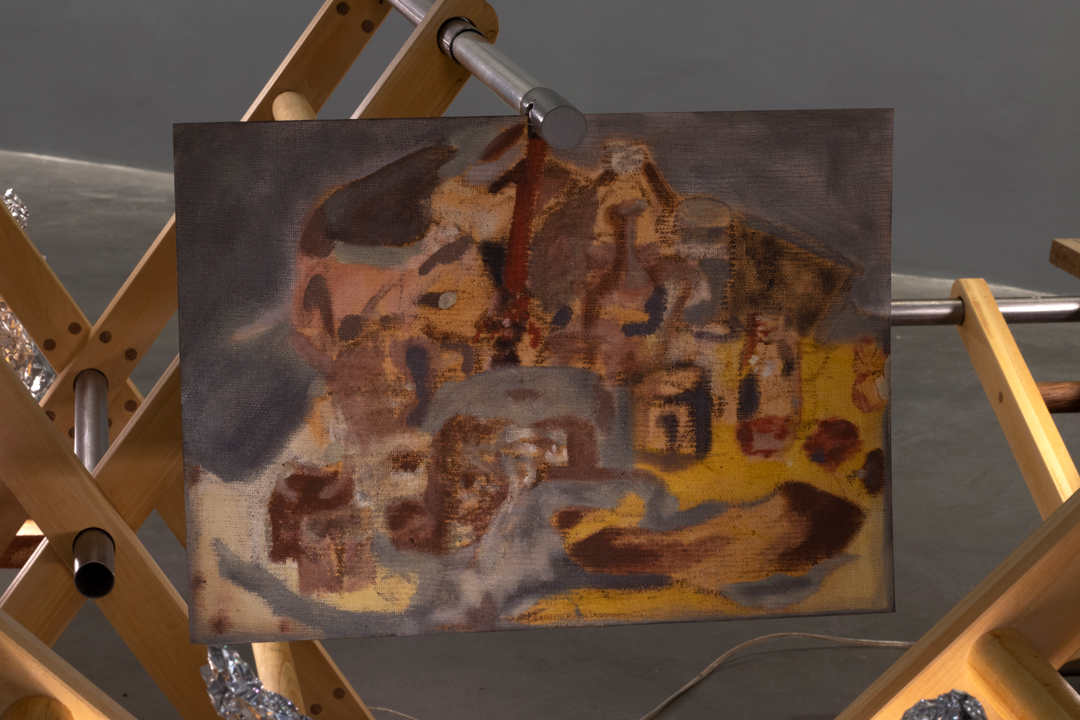
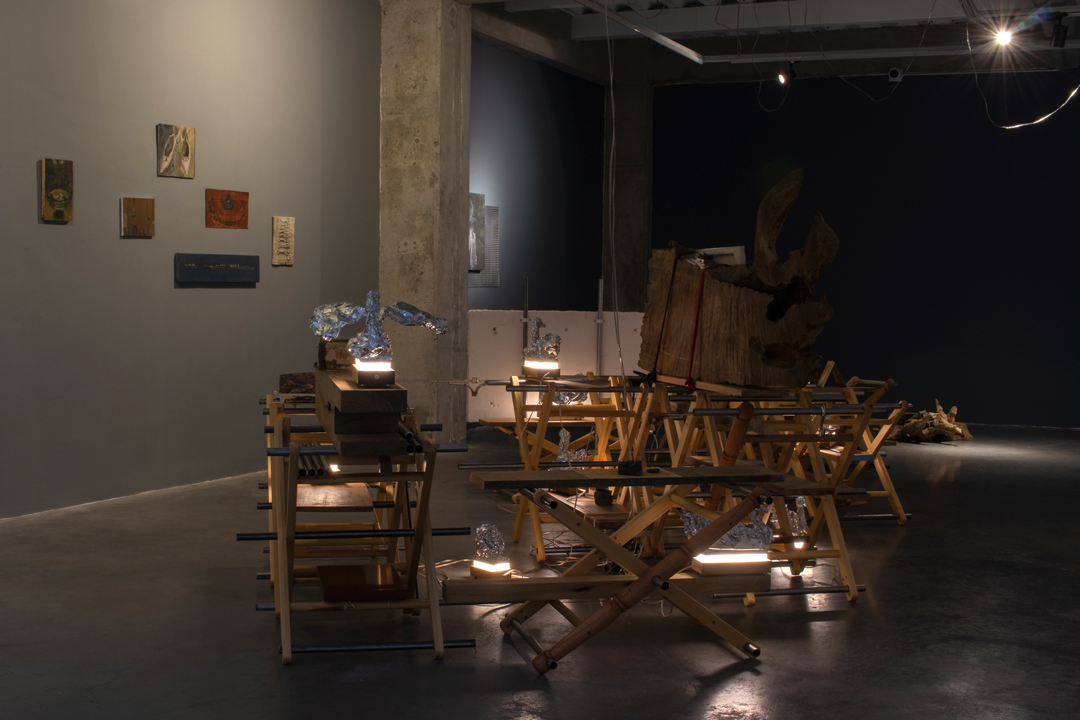
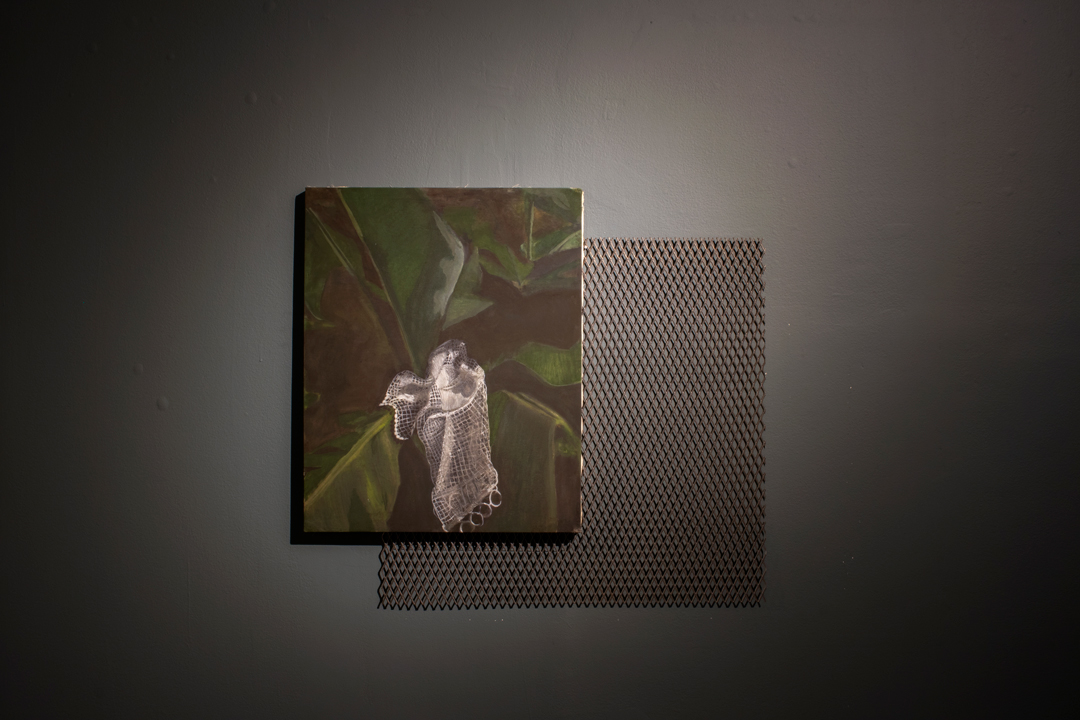
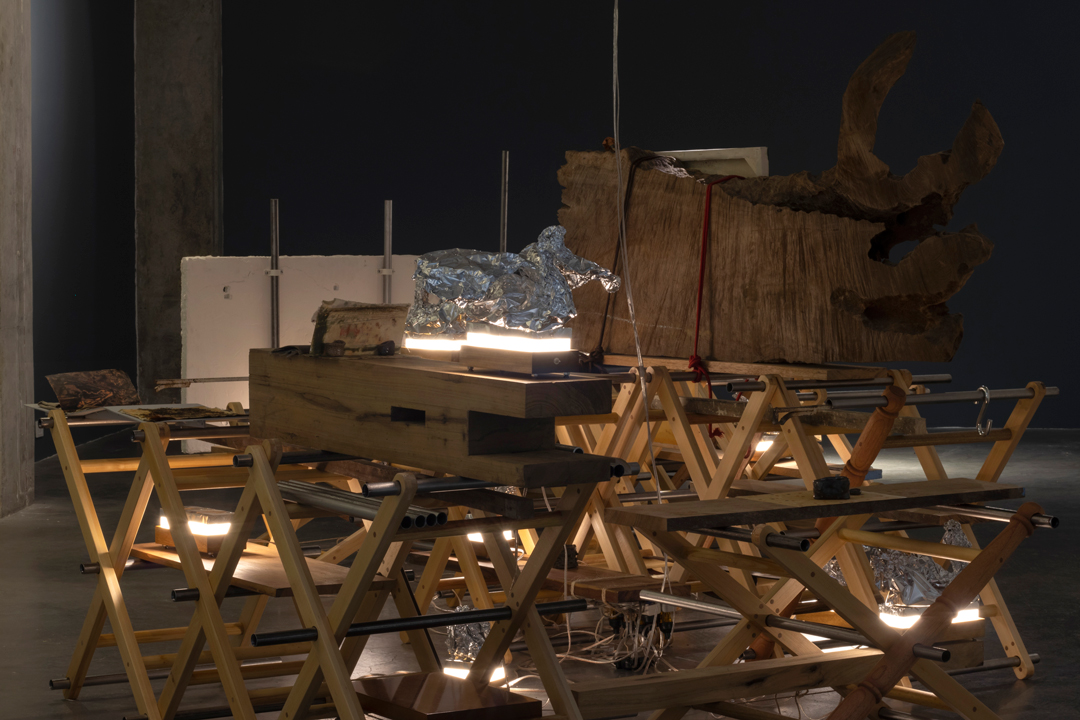
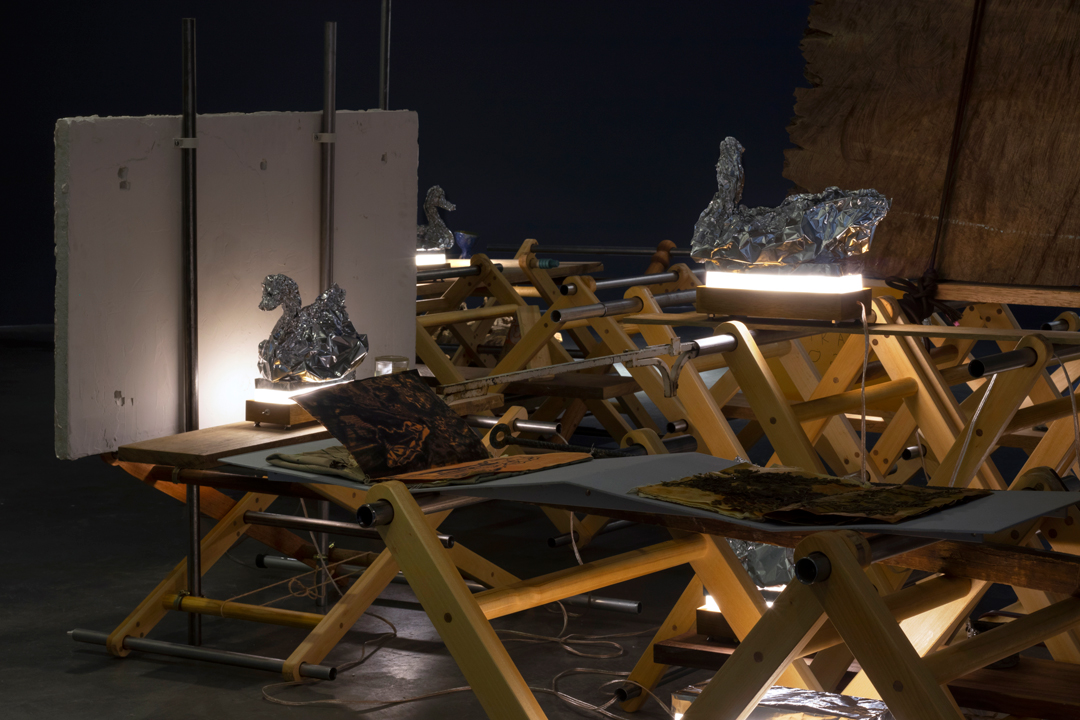
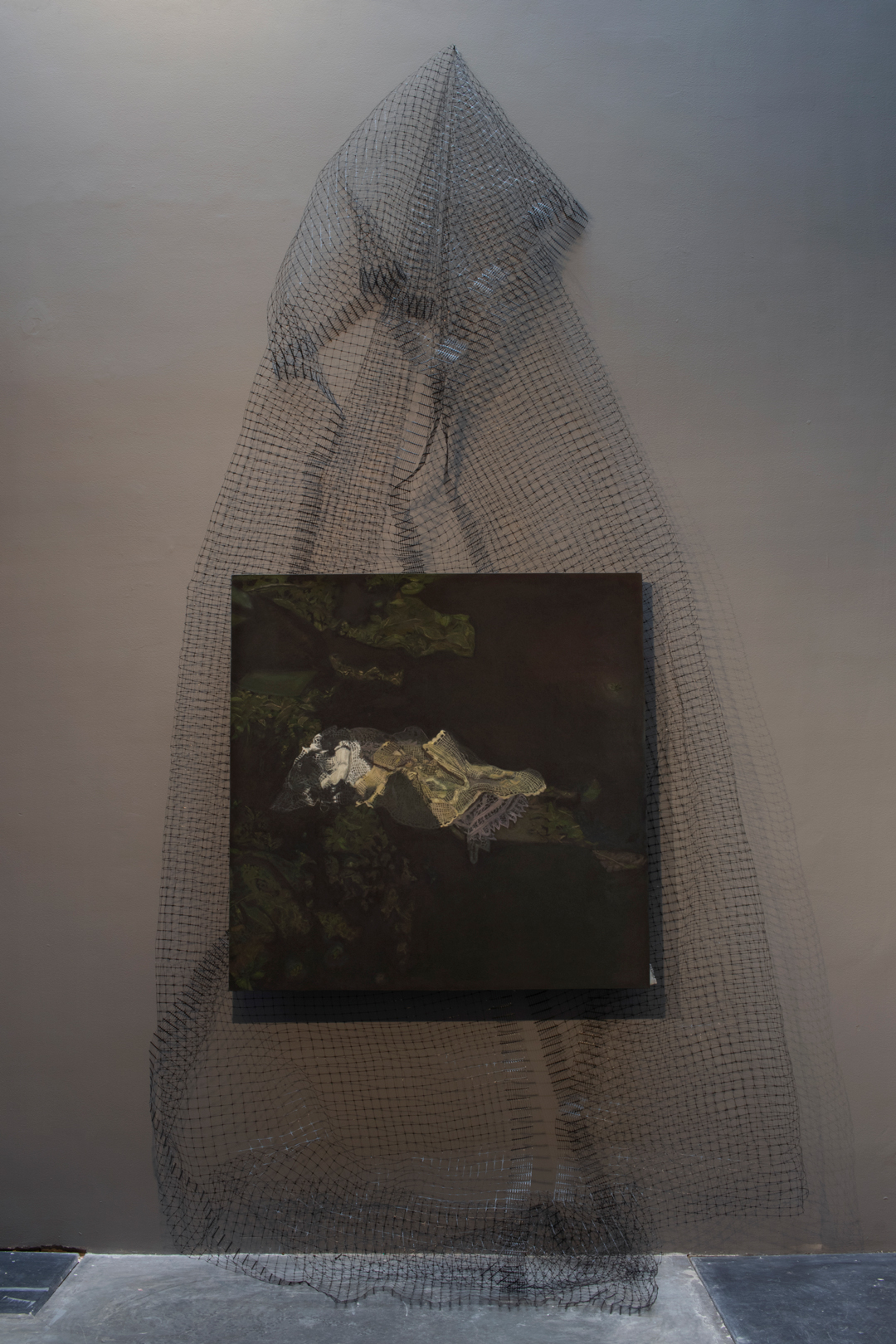
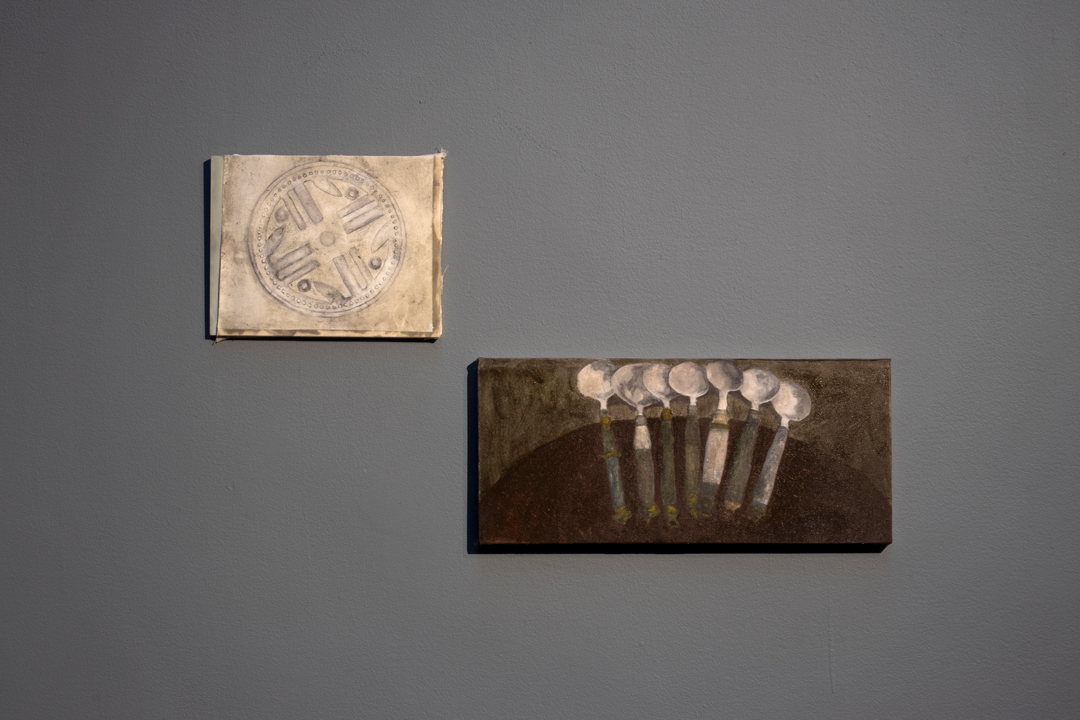
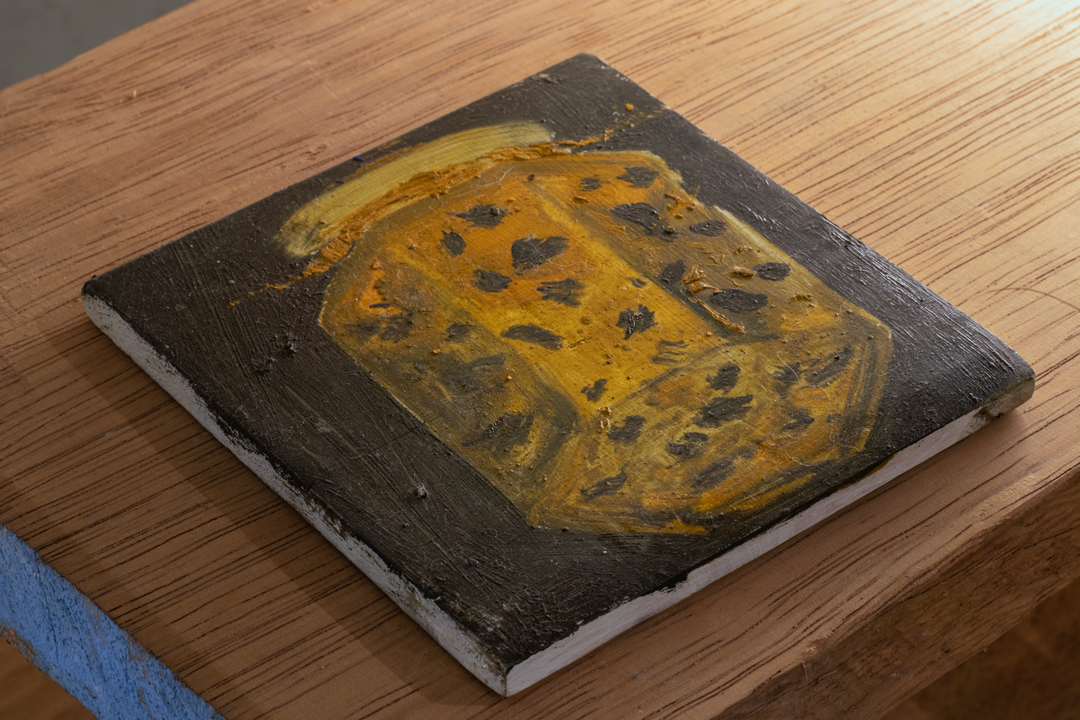
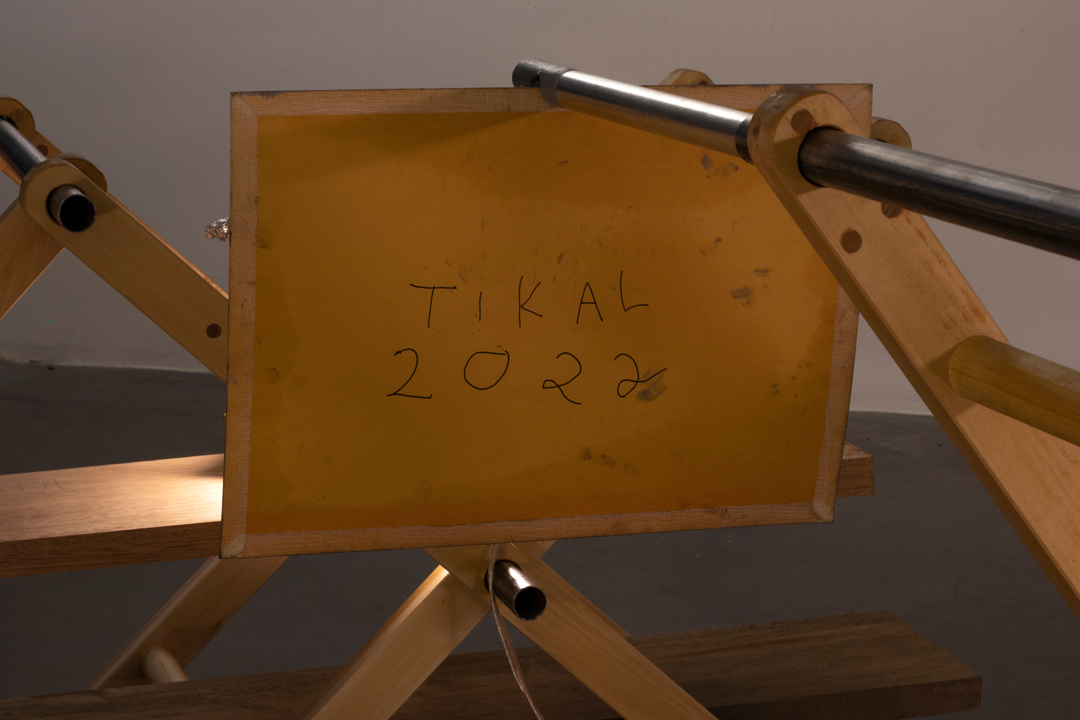
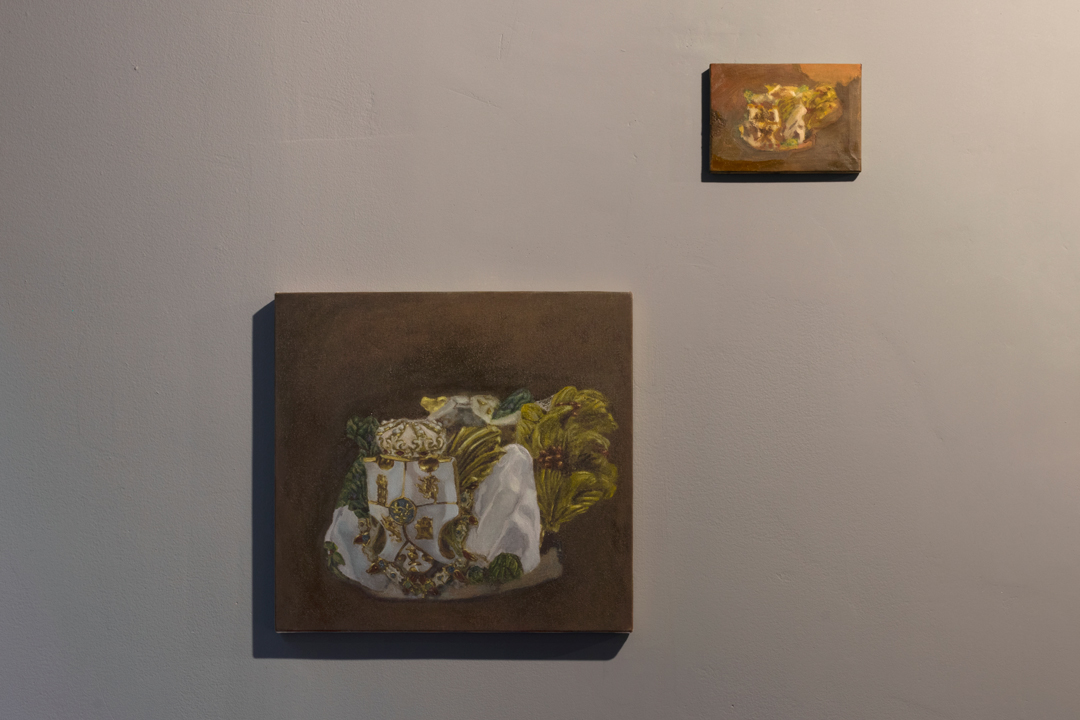
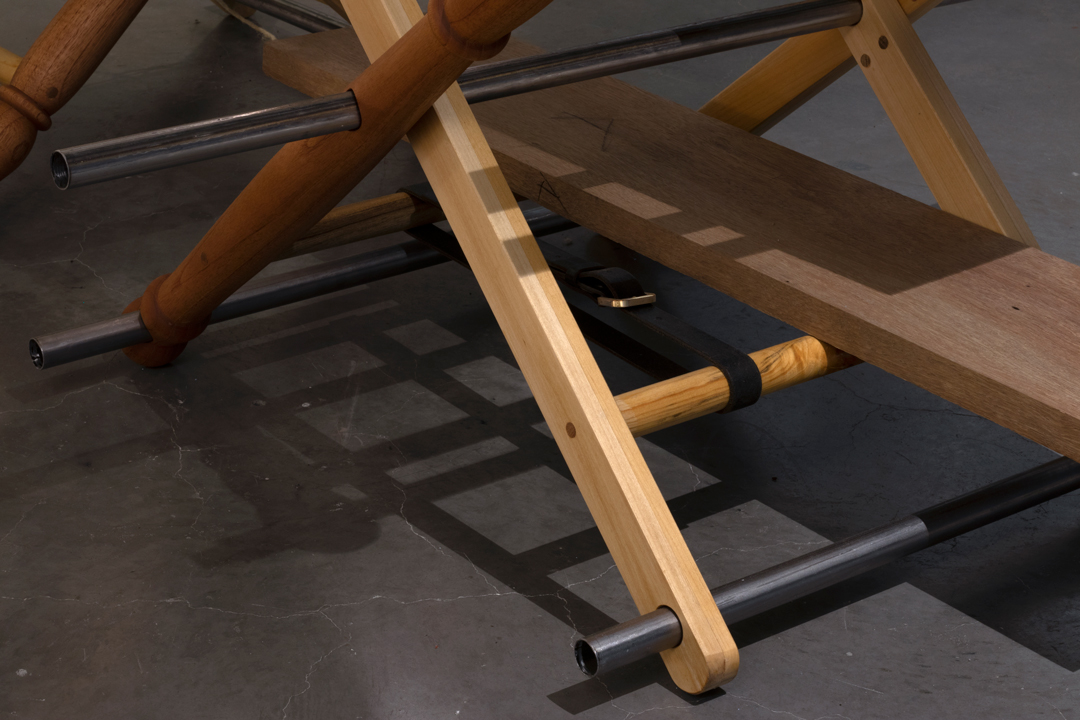
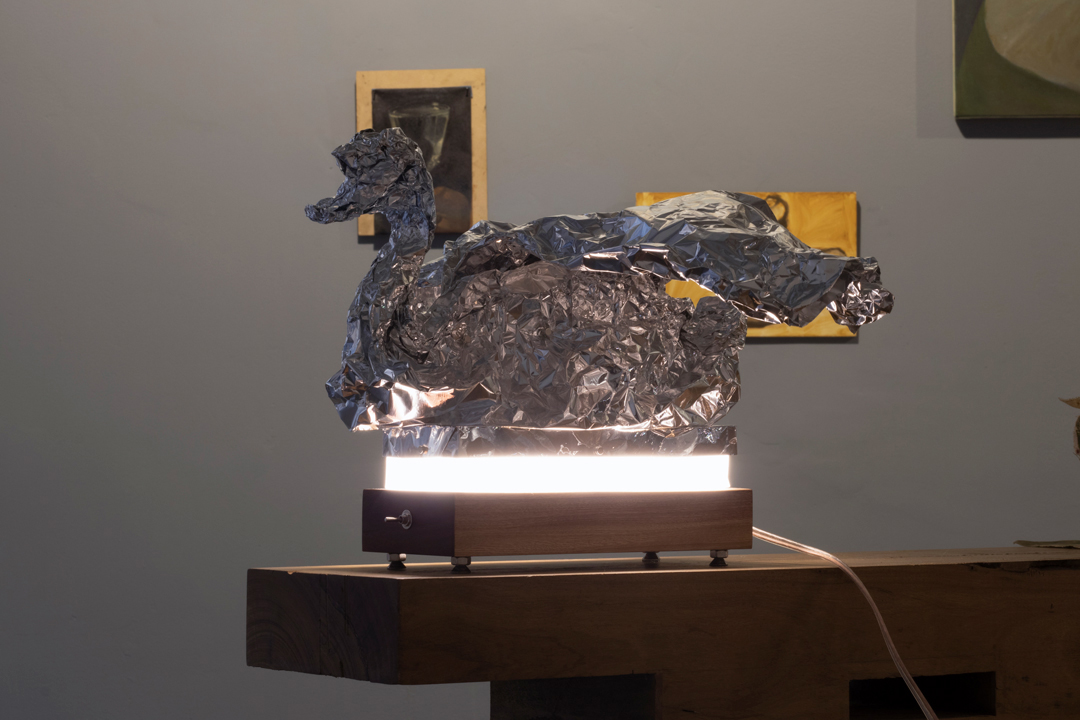
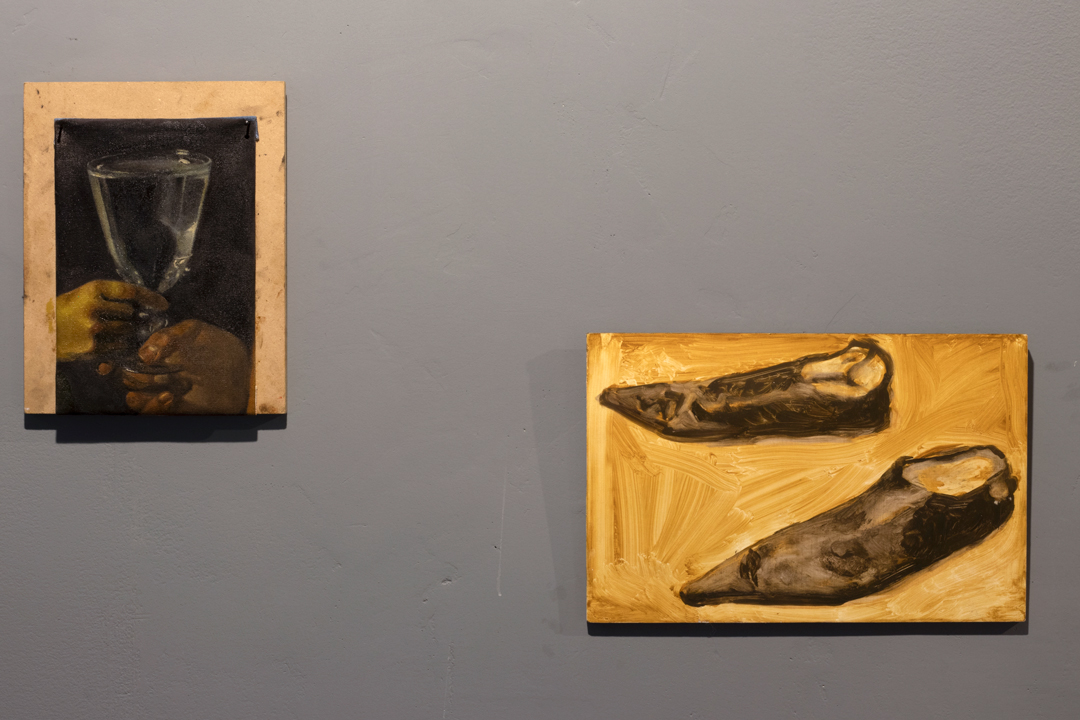
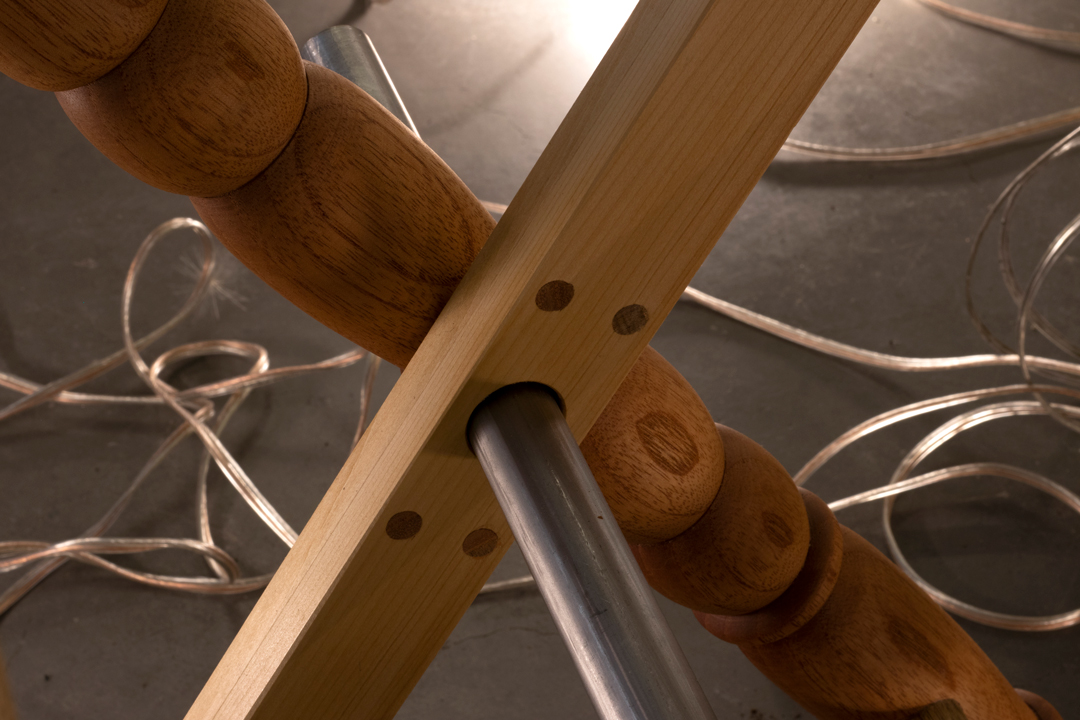
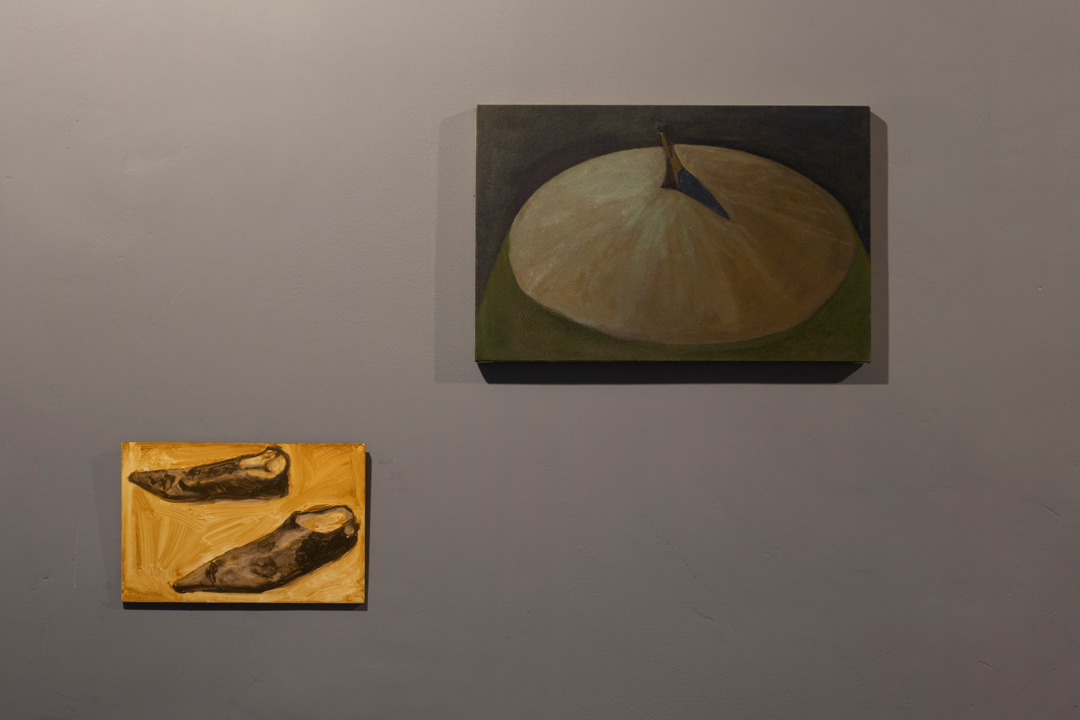
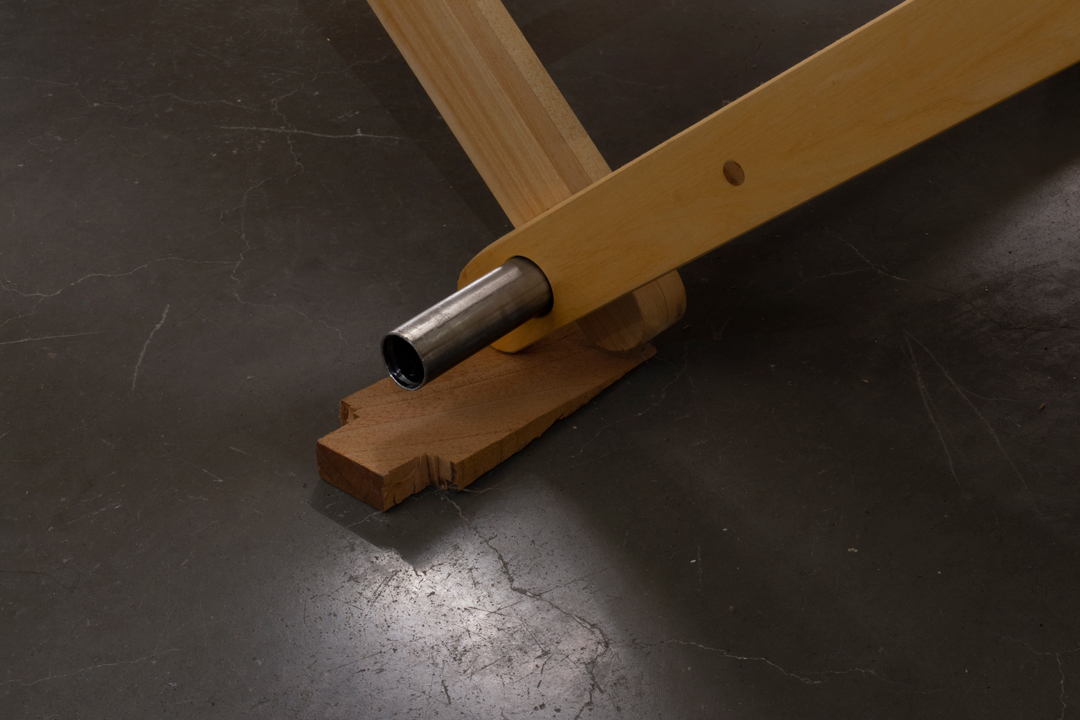
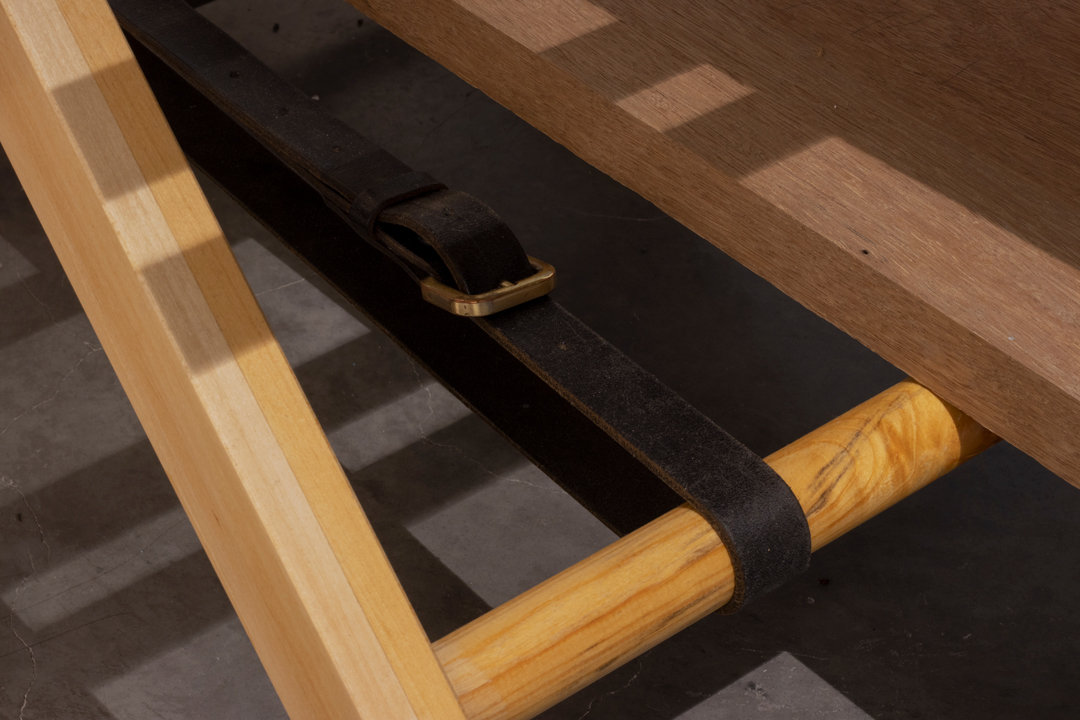
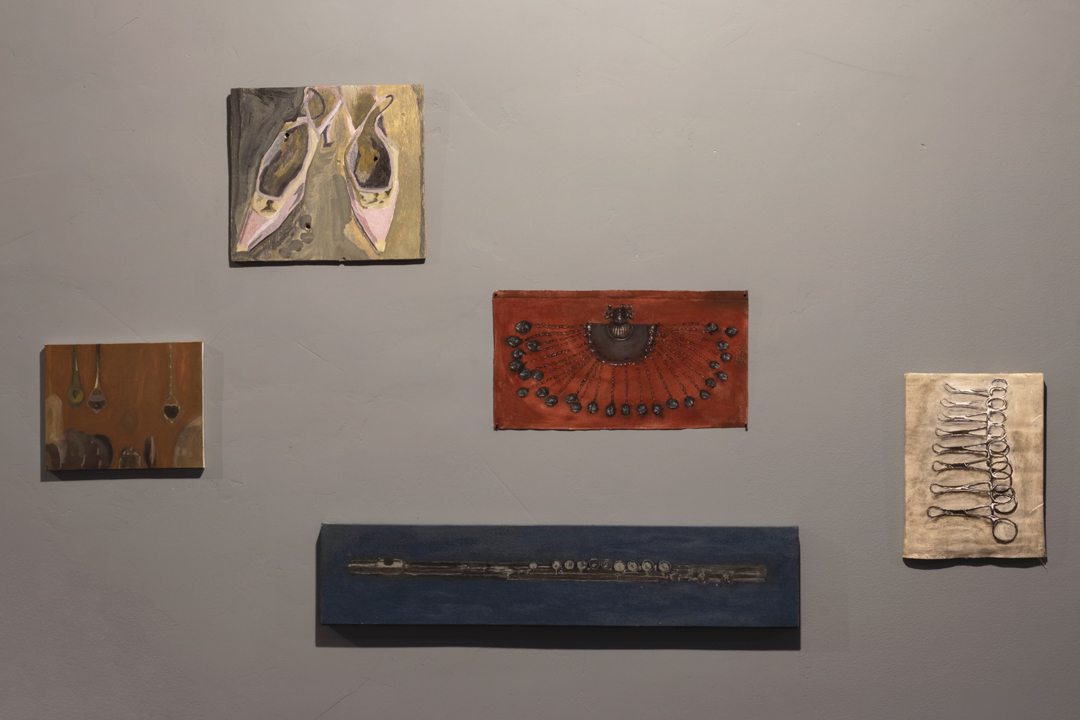
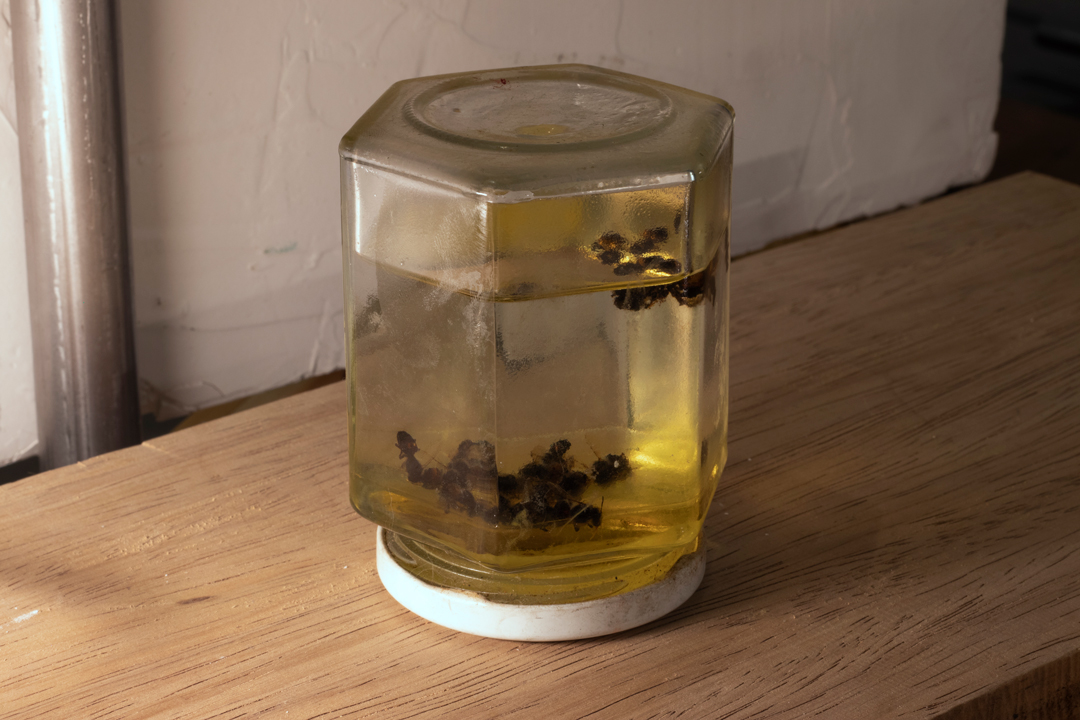
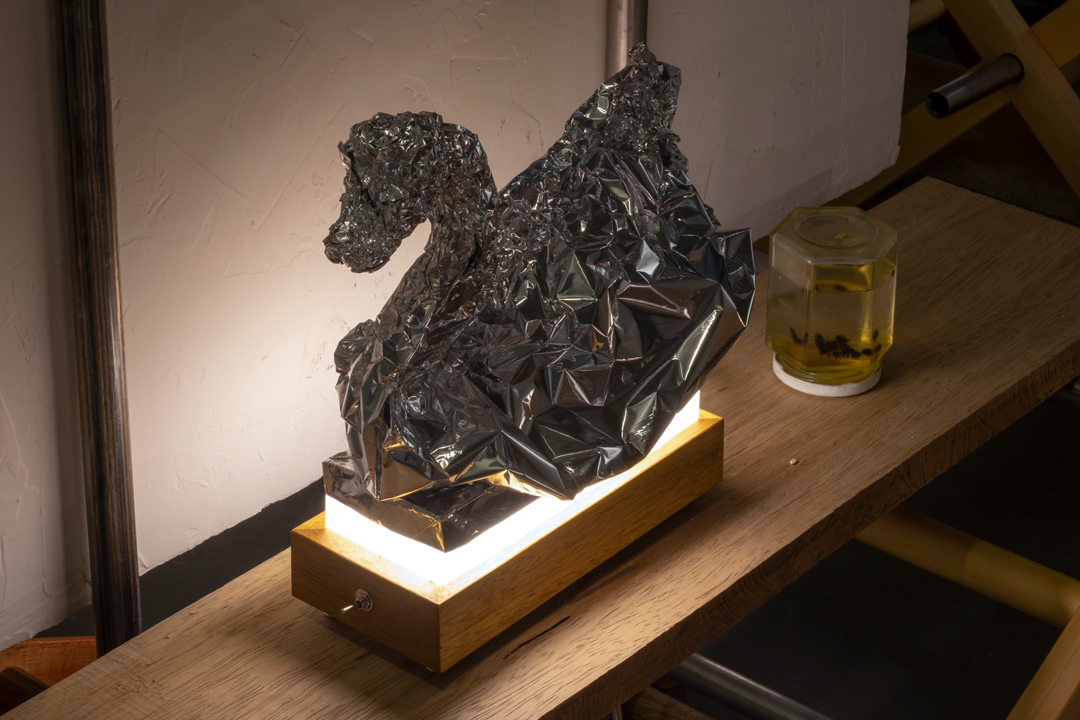
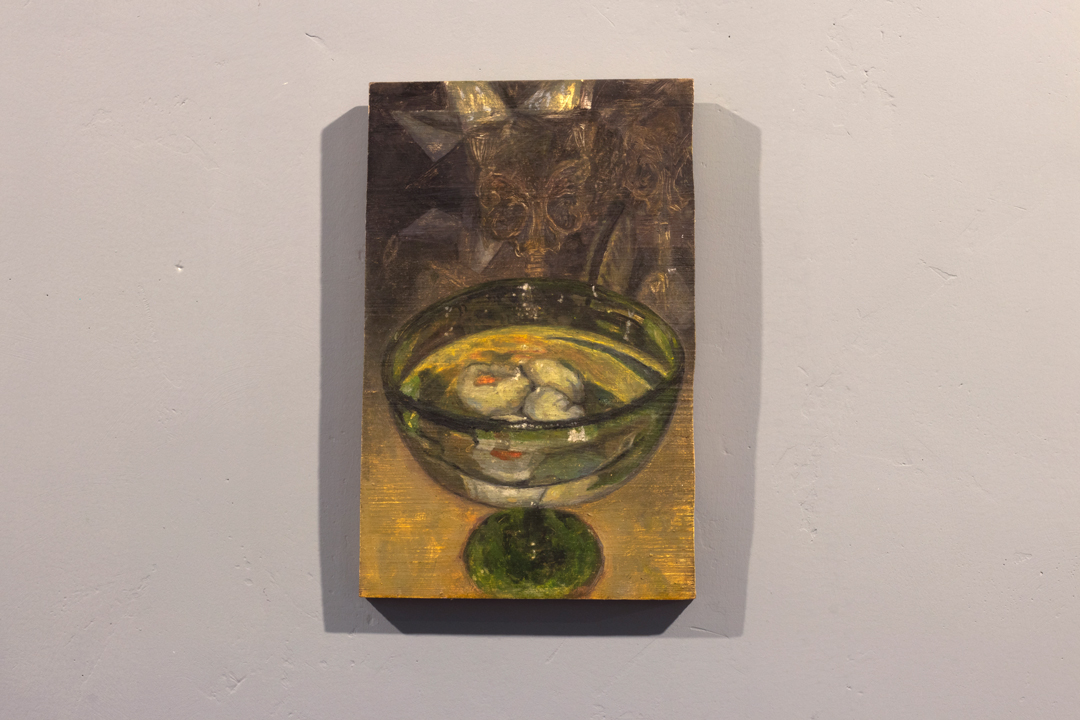
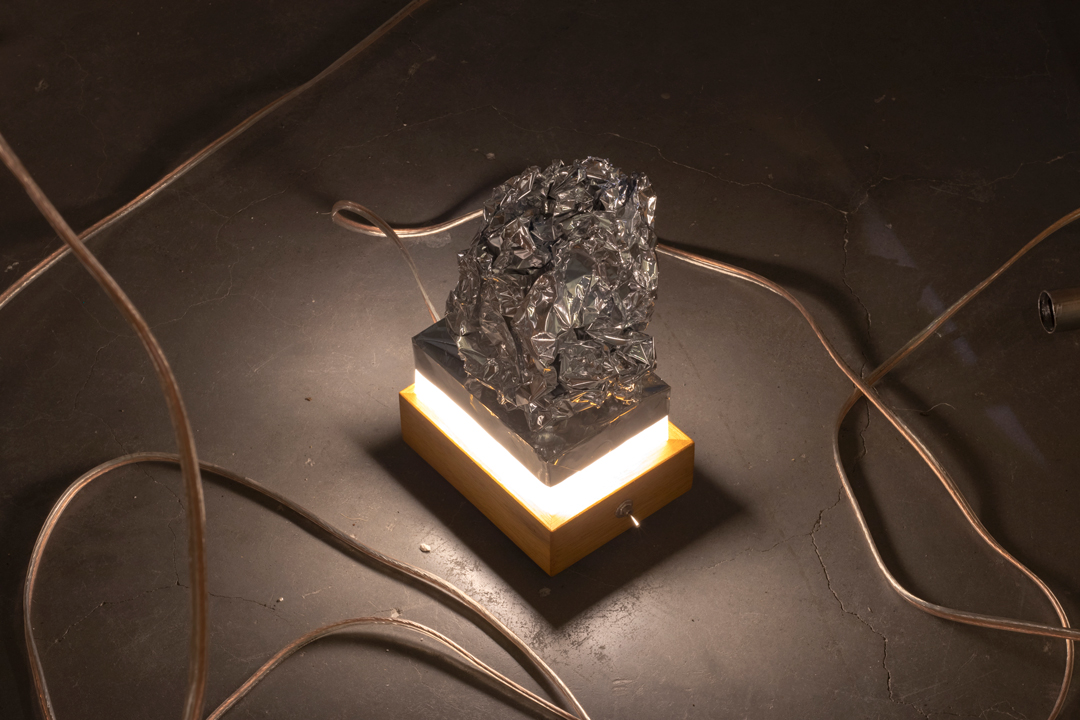
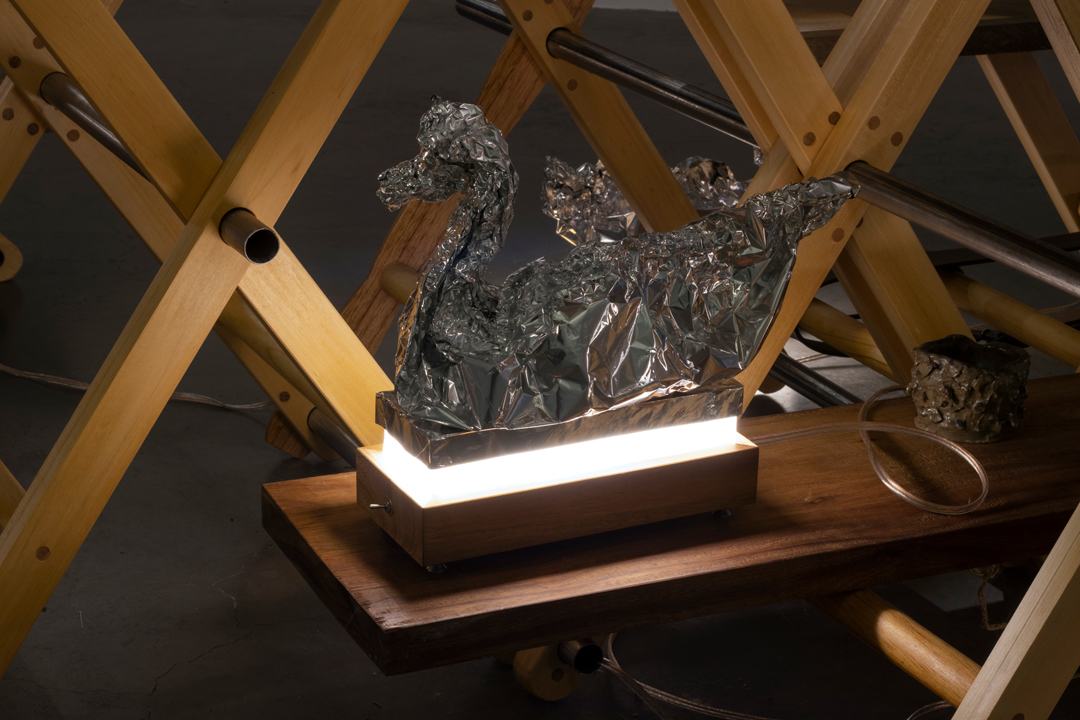
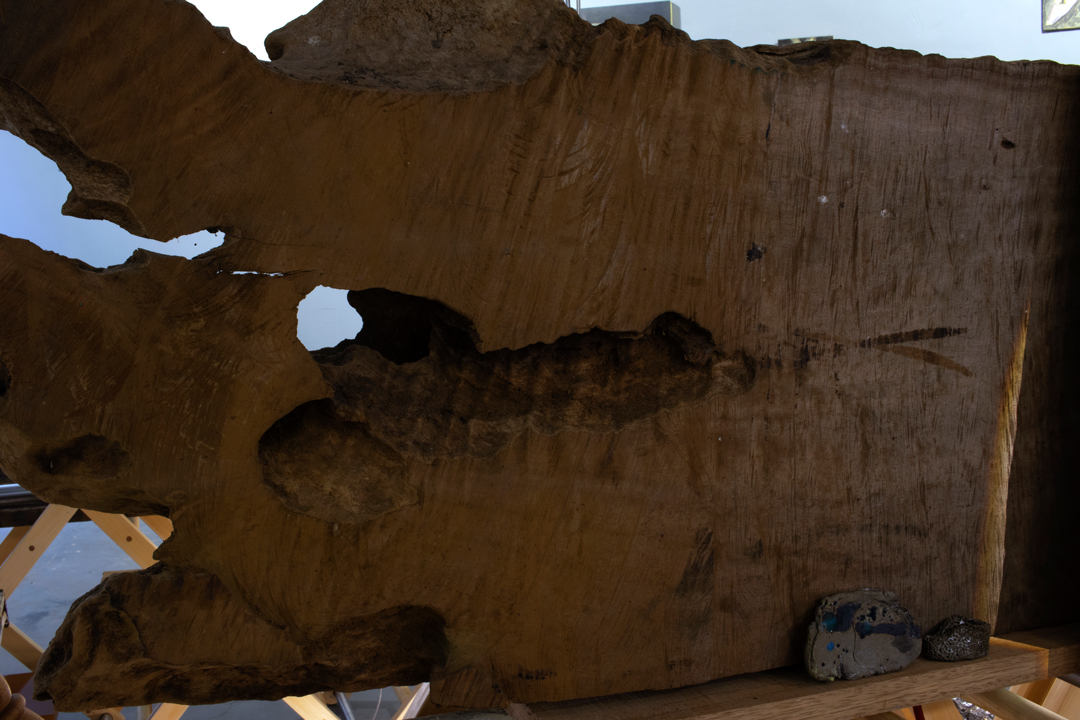
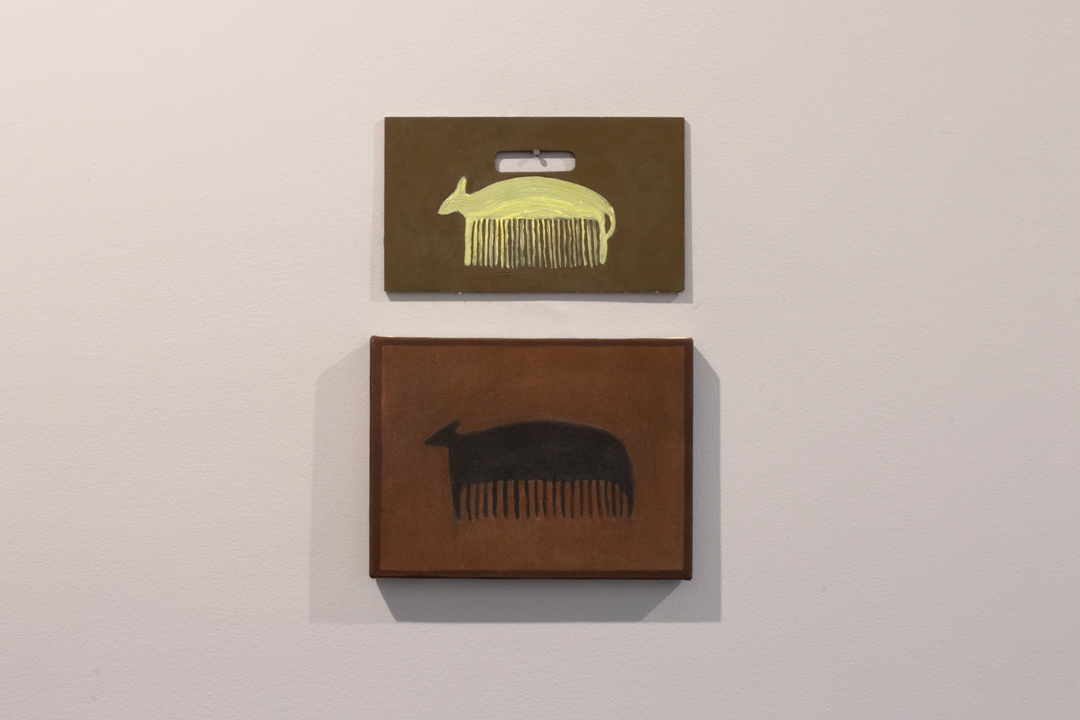
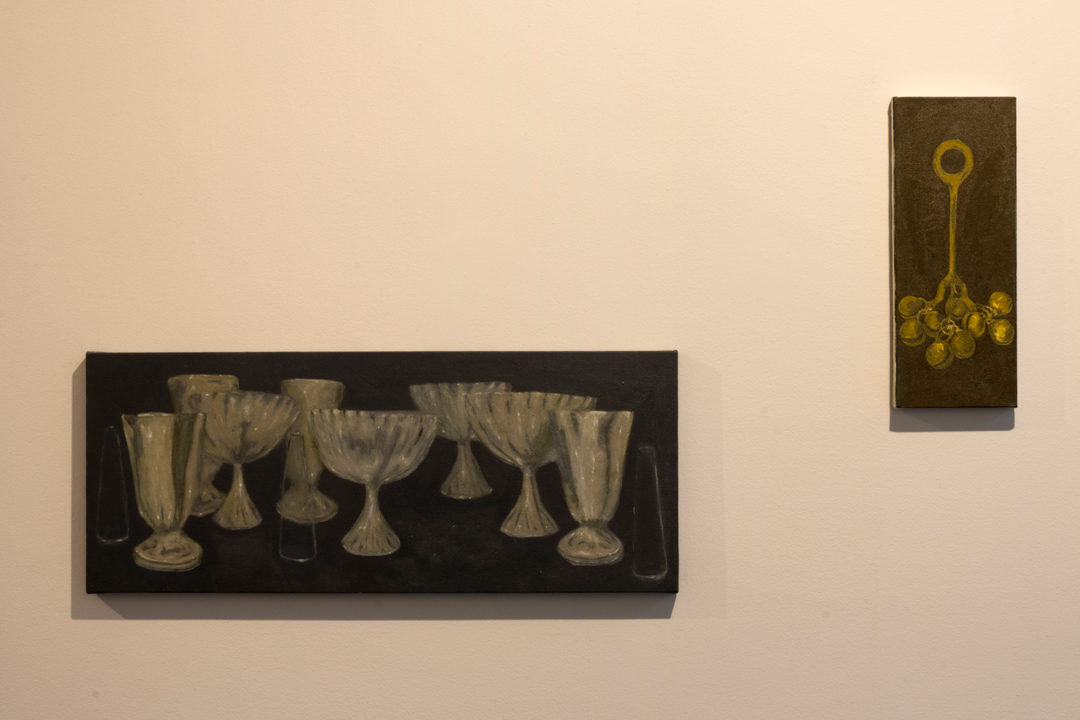
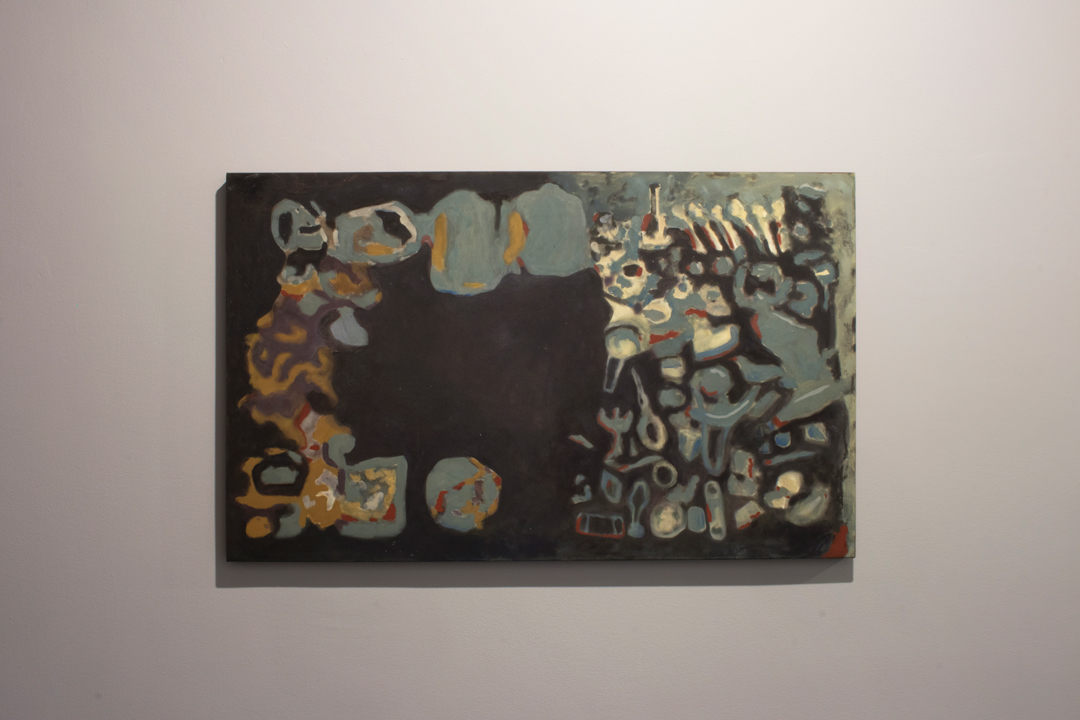
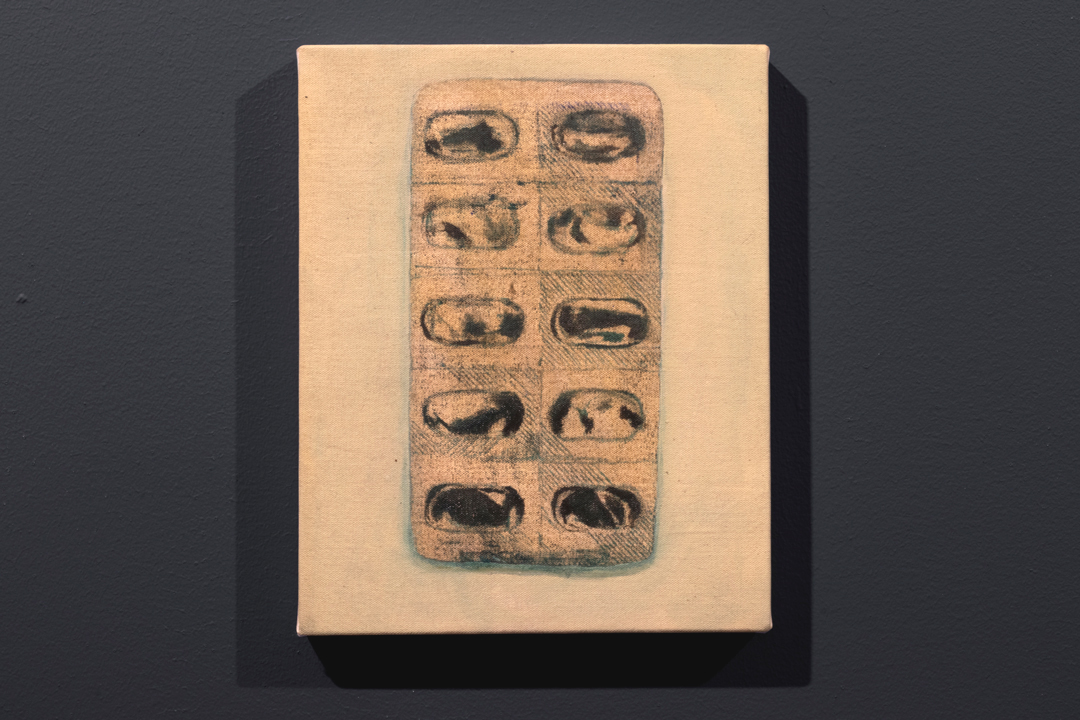
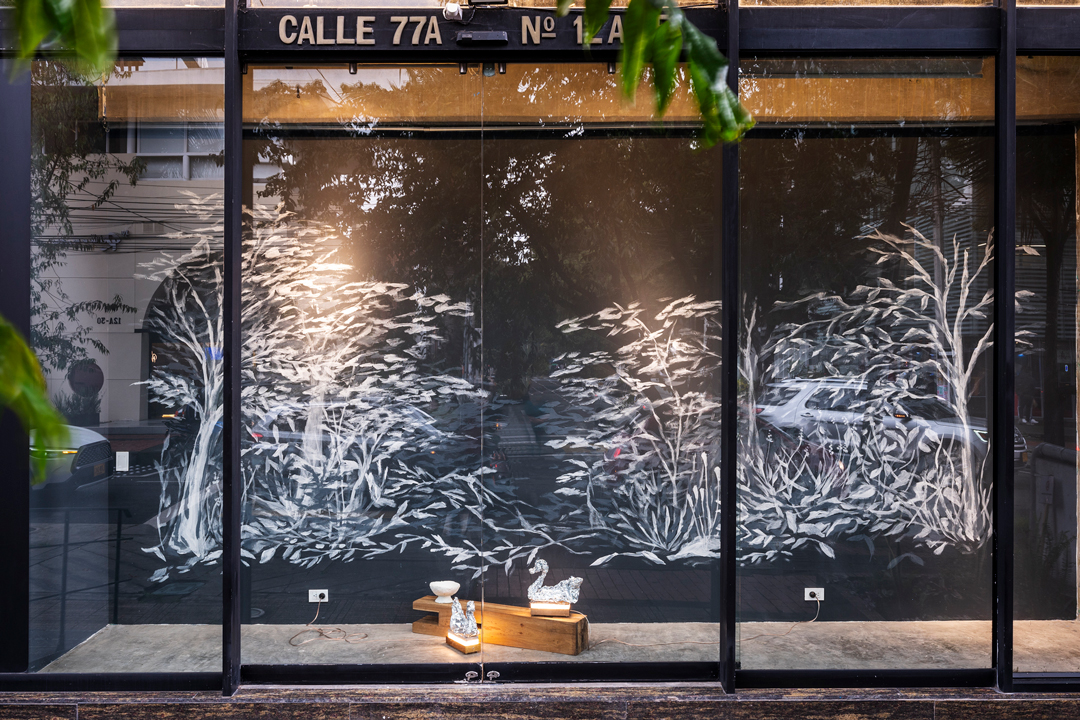
Foto: Photo: Mateo Pérez
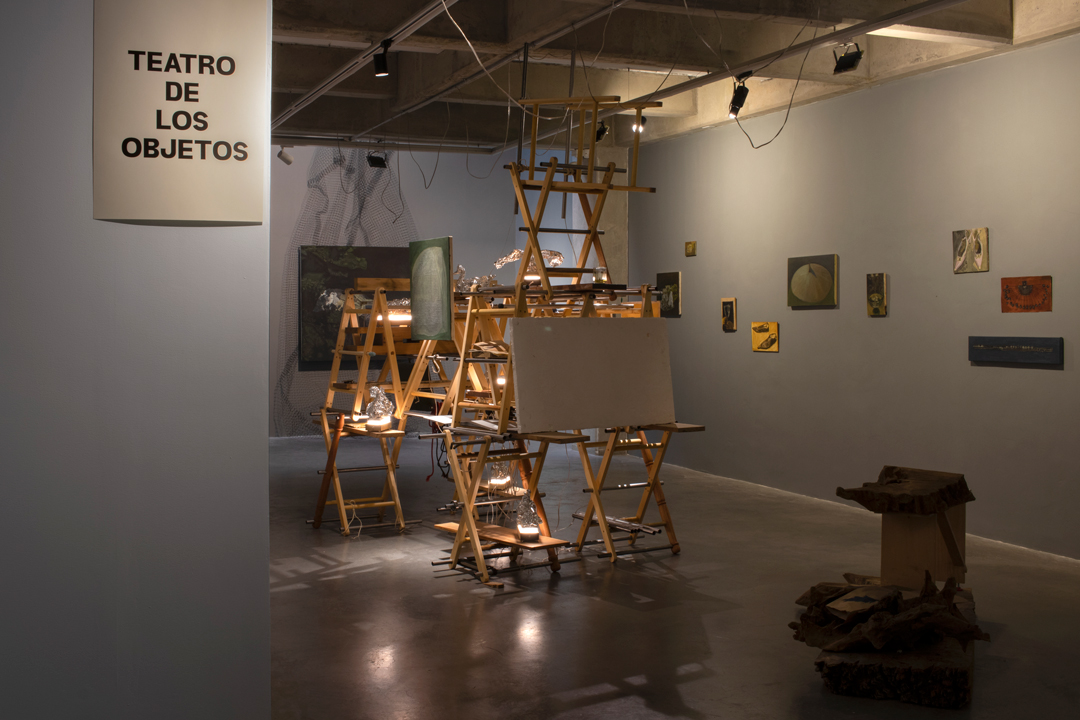
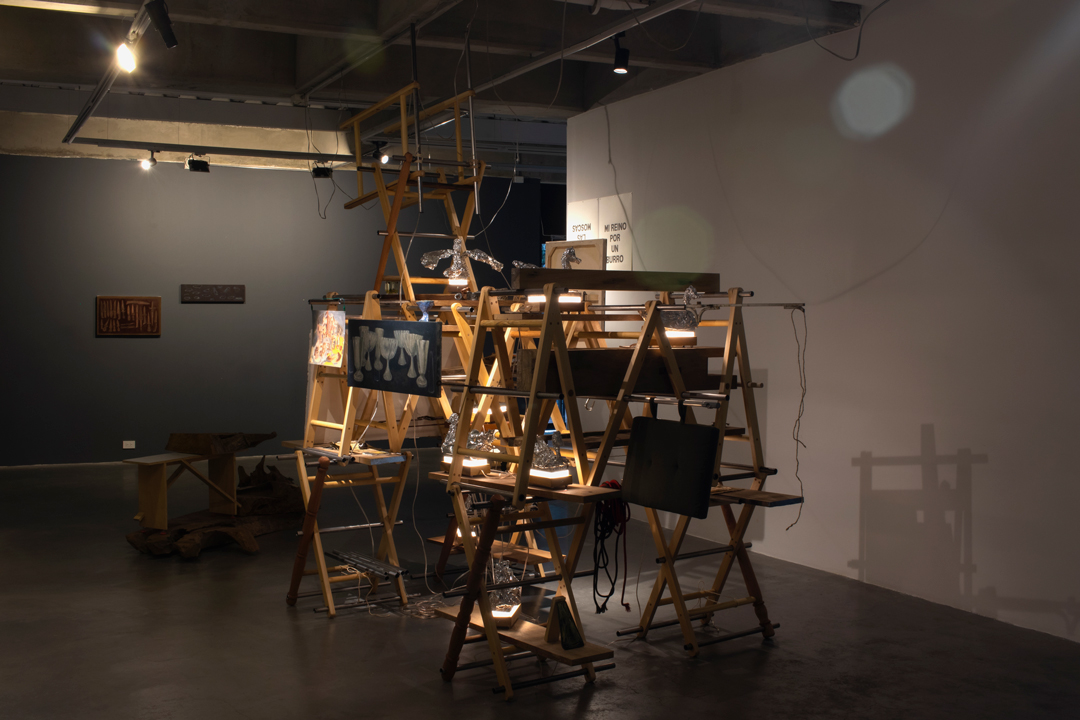
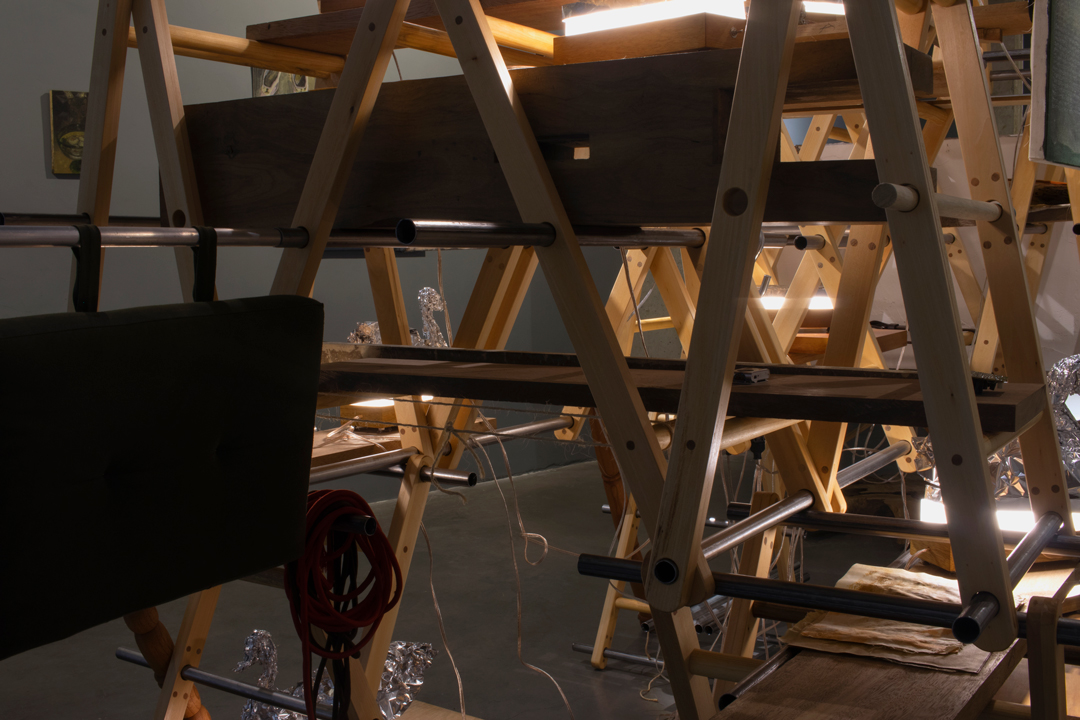
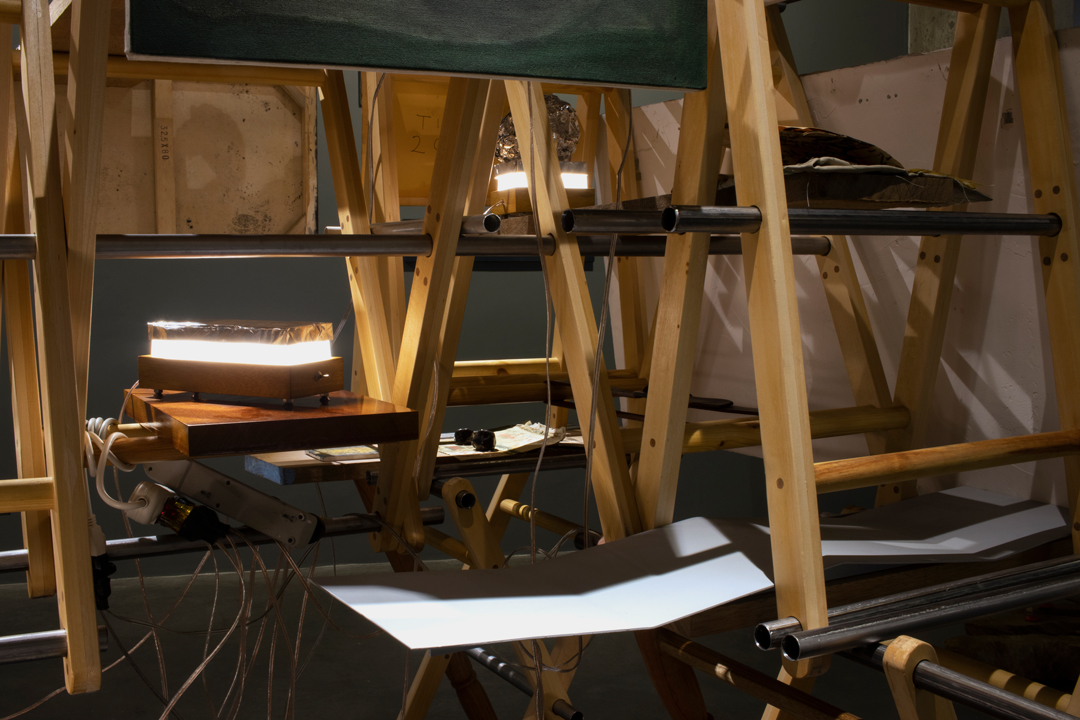
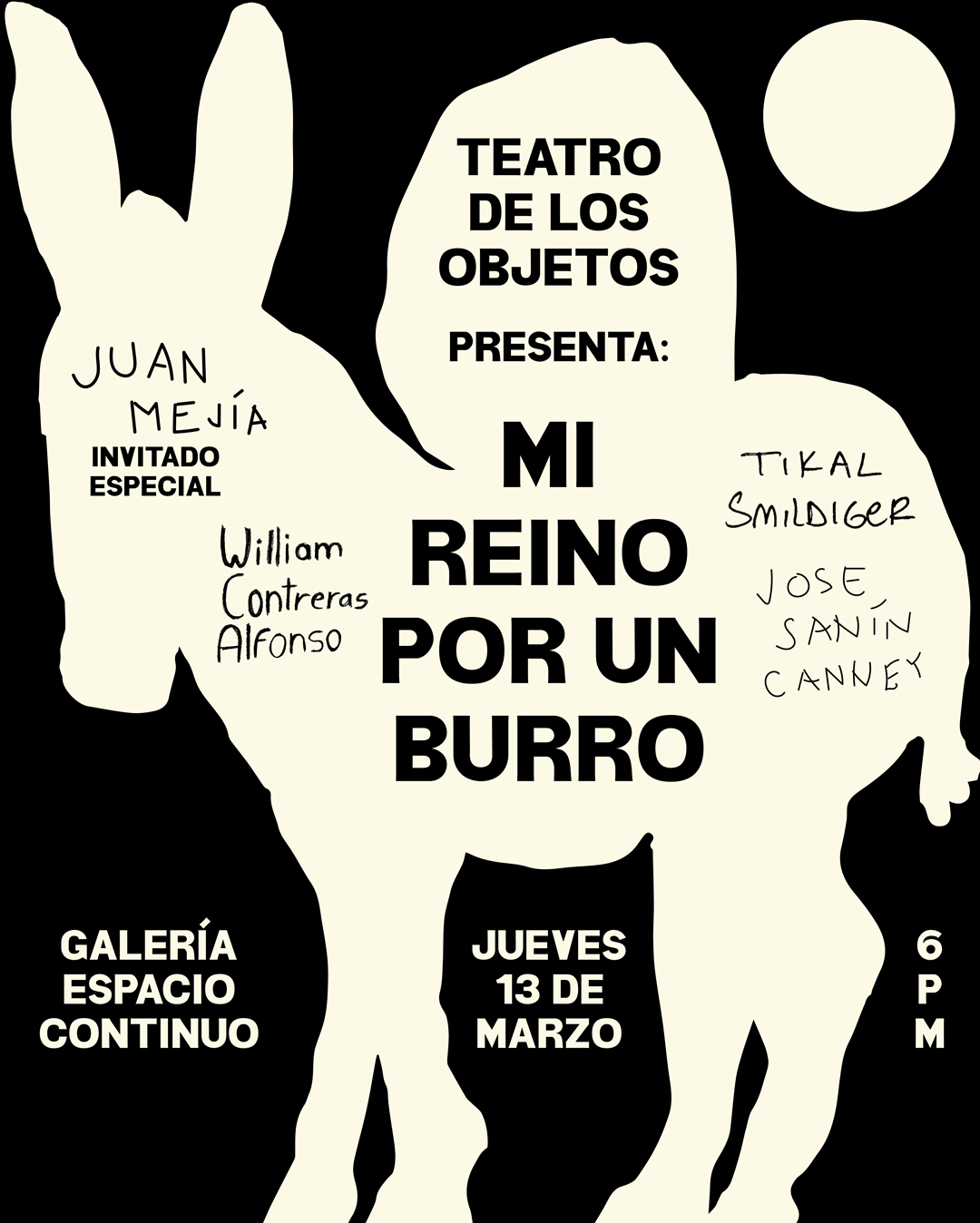
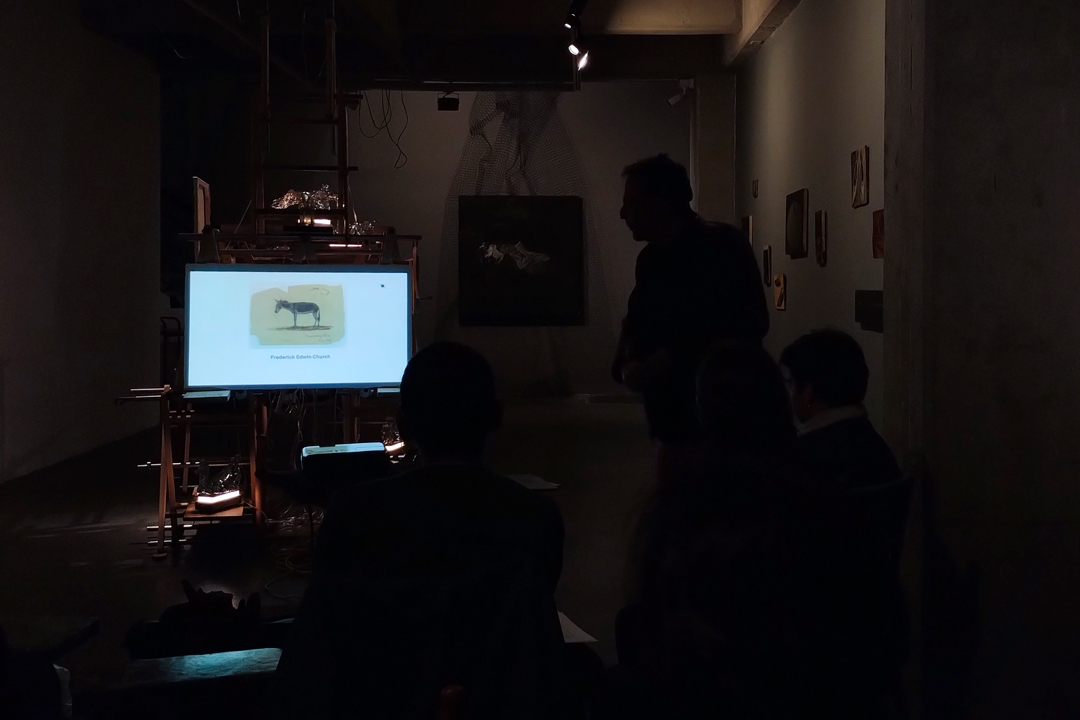
Juan Mejía dio una charla sobre el burro. Juan mEjía gave a lecture regarding donkeys.